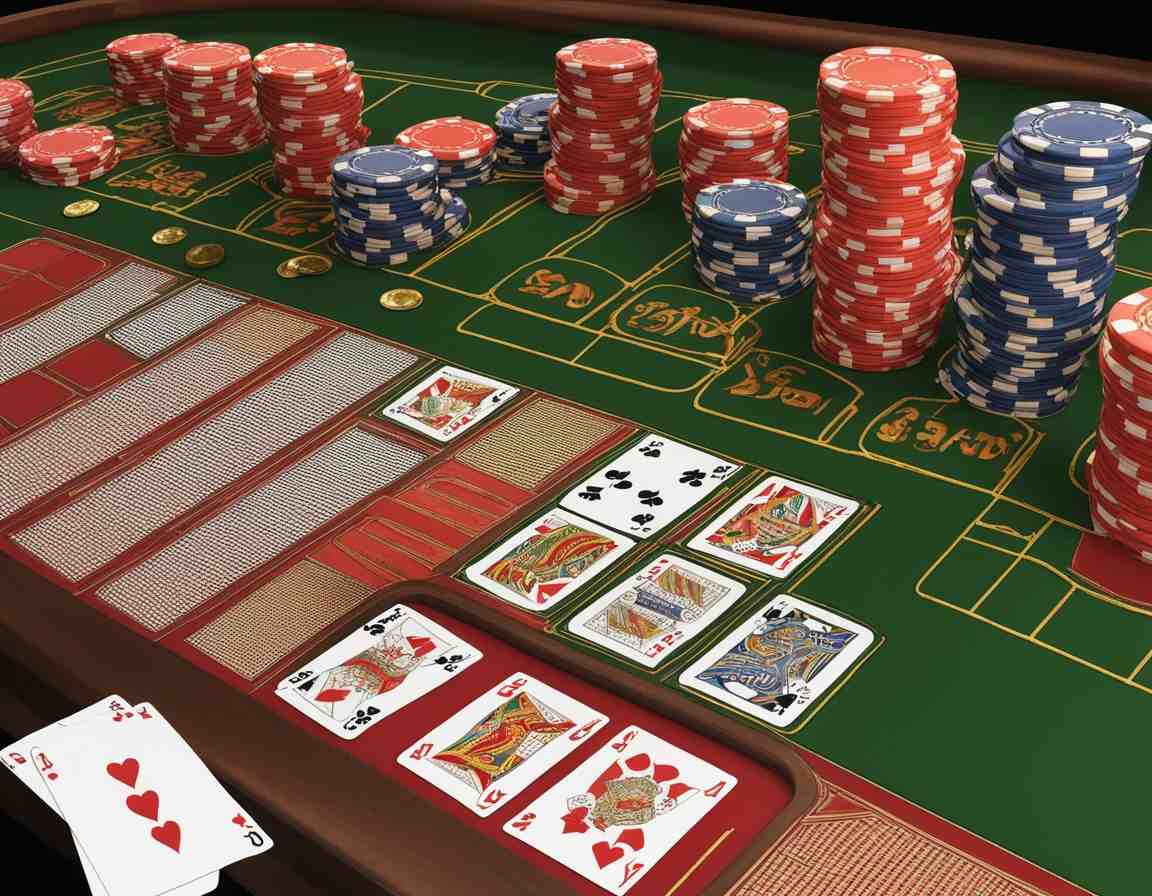
What Is Callbreak on grandpashabet?
Callbreak is one of those card games that almost every household in South Asia knows. It's been played at family gatherings, on tea stalls, and between friends for generations — and now grandpashabet has brought it online so Bangladesh players can enjoy it anytime, anywhere, with real BDT stakes and instant payouts.
At its core, Callbreak is a four-player trick-taking game played with a standard 52-card deck. Spades are always the trump suit — that's one of the defining rules that makes Callbreak different from other trick-taking games. Before each round begins, every player looks at their hand and makes a "call" — a prediction of how many tricks they expect to win that round. Your score for the round depends entirely on whether you meet, exceed, or fall short of that call. Get it right and you score points. Fall short and you lose them.
The game runs over five rounds on grandpashabet, and the player with the highest cumulative score at the end of all five rounds wins. It sounds straightforward, but the depth comes from the tension between being aggressive with your call (higher calls mean more points if you succeed) and being realistic about what your hand can actually deliver. That balance — ambition versus caution — is what keeps Callbreak interesting across every session on grandpashabet.
grandpashabet's version of Callbreak is built for mobile-first play, which makes sense given how most Bangladesh players access the platform. The card layout is clean and readable on small screens, the turn timer gives you enough time to think without slowing the game down, and the interface shows your current score, your call, and the tricks won so far all in one view. Nothing is hidden or buried in menus.
The Rules of Callbreak — How the Game Works
If you've played Callbreak before, grandpashabet's version follows the standard rules you already know. If you're new to the game, here's everything you need to understand before your first hand.
The deck is dealt evenly — each of the four players receives 13 cards. There are no community cards, no shared hands, and no draws. You play with exactly what you're dealt. After looking at your hand, you make your call: a number between 1 and 8 representing how many tricks you believe you'll win in the upcoming round. You cannot call zero — every player must commit to winning at least one trick.
Play proceeds clockwise. The player to the dealer's left leads the first trick by playing any card from their hand. The other three players must follow suit if they can. If you can't follow suit, you must play a spade (trump) if you have one. If you have neither the led suit nor a spade, you can play any card — but that card won't win the trick unless it's a spade and no higher spade has been played.
The highest card of the led suit wins the trick, unless a spade has been played — in which case the highest spade wins. The winner of each trick leads the next one. This continues until all 13 tricks in the round have been played.
Spades are always trump in Callbreak — there is no bidding for trump, no rotating trump suit, and no option to play without trump. If you hold strong spades, your hand is strong. If your hand is heavy in other suits with few spades, you need to be conservative with your call on grandpashabet.
Scoring System — How Points Are Calculated
The scoring in Callbreak is what makes every call feel meaningful. It's not just about winning tricks — it's about winning the right number of tricks relative to what you promised at the start of the round.
| Outcome | Example Call | Tricks Won | Score |
|---|---|---|---|
| Exact Call | Called 4 | 4 | +4.0 |
| Overtricks | Called 4 | 6 | +4.2 |
| Undertricks (bust) | Called 4 | 3 | −4.0 |
| Minimum Call Met | Called 1 | 1 | +1.0 |
| Maximum Call Met | Called 8 | 8 | +8.0 |
| Maximum Call Bust | Called 8 | 7 | −8.0 |
The key insight from the scoring table is that overtricks — winning more tricks than you called — give you a small bonus (0.1 per extra trick) but the base score is still your original call. So if you called 4 and won 6, you score 4.2, not 6. The extra tricks are nice but they're not worth inflating your call to chase. The real risk is busting — falling short of your call costs you the full call value as a negative score. A bust on a high call like 7 or 8 can swing the game significantly on grandpashabet.
This scoring structure rewards accurate self-assessment above all else. Players who consistently call what they can actually deliver will outperform players who either sandbag with low calls or overreach with ambitious ones. Over five rounds on grandpashabet, that consistency compounds into a winning score.

Card Rankings in Callbreak
Understanding card rankings is essential before you start making calls on grandpashabet. Within each suit, cards rank from highest to lowest as follows:
-
1Ace A ♠ ♥ ♦ ♣
-
2King K ♠ ♥ ♦ ♣
-
3Queen Q ♠ ♥ ♦ ♣
-
4Jack J ♠ ♥ ♦ ♣
-
510 through 2 10 → 2
Spades outrank all other suits regardless of card value — a 2 of spades beats an Ace of hearts, diamonds, or clubs. This is the trump rule in action. When you're evaluating your hand before making a call on grandpashabet, count your high cards in non-spade suits as likely trick winners only if you expect to lead those suits early, before opponents can trump them. High spades are almost guaranteed trick winners.
How to Make a Good Call
Making the right call is the skill that separates good Callbreak players from great ones on grandpashabet. There's no formula that works every time, but there are reliable principles that experienced players use when evaluating their 13-card hand.
Start with your spades. Count how many spades you hold and identify which ones are high enough to win tricks reliably. An Ace of spades is a guaranteed trick winner. A King of spades is very likely to win unless the Ace has already been played. A Queen of spades is probable. Jacks and lower spades are situational — they might win, but they depend on what's already been played.
Next, look at your high cards in other suits. An Ace of hearts will win a trick if hearts are led and no one trumps it. But if you're short in hearts (holding only one or two), opponents may have already exhausted their hearts and will trump your Ace. The fewer cards you hold in a suit, the more likely your high cards in that suit will be trumped before you can use them.
A practical starting point: count your Aces and Kings across all suits, add your reliable spades, and subtract one for uncertainty. That's usually a reasonable call for most hands on grandpashabet. Adjust up if you have a very strong spade holding, adjust down if your hand is scattered across suits with no clear strength.

Round Flow — What Happens Each Round
Deal
13 cards each
Call
Each player bids 1–8
Play
13 tricks played
Score
Points added or deducted
Next Round
Repeat for 5 rounds
Each of the five rounds on grandpashabet follows this exact sequence. The dealer rotates after each round, which means every player gets to lead the first trick at least once across the game. The rotation matters because leading gives you control over which suit is played first, which can be a significant advantage if you're trying to draw out opponents' trumps or establish a long suit.
After all five rounds, the player with the highest total score wins. grandpashabet displays the running score after each round so you always know where you stand relative to the other three players. If you're behind going into the final round, you know you need to take a risk with a higher call. If you're ahead, you can afford to be conservative and protect your lead.
Deposits and Withdrawals for Callbreak on grandpashabet
Playing Callbreak on grandpashabet with real BDT is straightforward. The platform supports bKash, Nagad, and Rocket — the three mobile wallets that Bangladesh players use most. Deposits are credited within seconds of confirming in your wallet app, and the minimum deposit is ৳50. There are no fees charged by grandpashabet on deposits.
When you're ready to withdraw your winnings, the process is just as simple. Request a withdrawal to your bKash, Nagad, or Rocket wallet from your grandpashabet account, and most payouts arrive within fifteen minutes. There's no minimum withdrawal amount and no withdrawal fees. If you've built up a balance from a good Callbreak session, you can take it out whenever you want without needing to hit a threshold first.

Playing Callbreak on Mobile via grandpashabet
Most grandpashabet players in Bangladesh play on Android phones, and Callbreak is designed with that in mind. The card layout adapts to portrait and landscape orientations, the text is large enough to read comfortably without zooming, and the tap targets for playing cards are sized for fingers rather than mouse cursors. The turn timer is visible at all times so you're never caught off guard by a timeout.
The grandpashabet app offers the smoothest mobile Callbreak experience. It loads faster than the browser version, maintains your session if you briefly switch apps, and sends you a notification when it's your turn if you've stepped away from the screen. Download it from the grandpashabet App page — it's available for Android and takes under a minute to install.
One thing worth knowing about mobile Callbreak on grandpashabet: the game shows you a summary of all four players' calls at the top of the screen throughout the round. This is genuinely useful information — knowing that the player to your left called 6 tells you they're holding a strong hand and will be competing hard for tricks. Factor that into your own play, especially when deciding whether to trump a trick or let it go.
Game Details
- Game TypeTrick-Taking Card Game
- Players4
- Rounds per Game5
- Deck52 Cards
- Trump Suit♠ Spades (Fixed)
- Call Range1 – 8
- Min Bet৳20
- Mobile Optimised✔ Yes
- CurrencyBDT (৳)
Callbreak on grandpashabet
Quick Strategy Tips
Count Your Spades First
High spades are near-guaranteed tricks. Build your call around them before considering other suits.
Don't Overbid
A bust costs you the full call value as a negative. Conservative calls that succeed beat ambitious calls that fail.
Watch Others' Calls
If the total calls across all four players exceed 13, someone must bust. Use that to your advantage.
Lead Low to Draw Trump
Leading a low card in a weak suit early can force opponents to use their spades, clearing the way for your high non-trump cards later.